
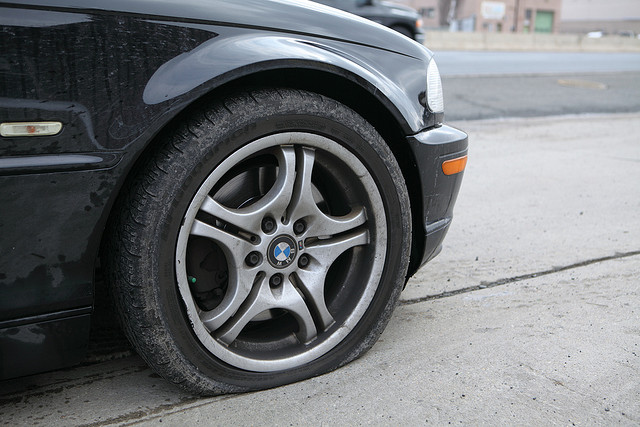
When your vehicle breaks down, gets involved in an accident, or needs to be moved to a repair shop, you may wonder how far a Towing Service can tow it. The answer depends on several factors, including the towing company, your vehicle’s condition, the type of tow truck needed, and the destination.
Some towing situations only require a short trip to a nearby repair facility, while others may involve transporting a vehicle across a city, county, or even state. Understanding your options can help you make better decisions and avoid unexpected costs.
Whether you need emergency roadside assistance or planned vehicle transportation, knowing what affects towing distance can make the process easier. This guide explains how far a vehicle can typically be towed, what determines the distance, and what you should ask before arranging a tow.
Local Towing and Short-Distance Transport
Most towing requests are considered local when the vehicle is transported within the same city or nearby communities. A local tow may involve moving a disabled car from a roadside location to a mechanic, dealership, tire shop, or another safe destination.
The actual distance can vary significantly. Some calls may require only a few miles of transportation, while others may involve traveling 20, 30, or more miles depending on where the vehicle needs to go. Towing companies generally consider their service area, available drivers, equipment, and current workload when determining whether they can handle a particular trip.
Local towing is often the simplest option because the company can respond relatively quickly. It can also be more affordable than long-distance transportation because the driver spends less time traveling with the vehicle.
Can a Tow Truck Travel Long Distances?
A tow truck can often transport a vehicle much farther than a typical local tow, but long-distance towing depends on the company’s policies and equipment. Some towing providers specialize primarily in local roadside assistance, while others offer extended vehicle transportation across counties or states.
Long-distance towing may be necessary when a vehicle breaks down far from home, when someone purchases a non-running vehicle, or when a damaged car needs to be transported to a specific repair facility. In these situations, the company may use specialized equipment designed for extended transportation.
Distance alone is not usually the only consideration. The vehicle’s size, weight, condition, and towing requirements can influence whether a particular truck is suitable. The destination and route can also affect the price and scheduling.

What Determines How Far Your Vehicle Can Be Towed?
Several factors determine how far your vehicle can be transported. One of the most important is the towing company’s service area. A provider may have the equipment to travel long distances but choose to operate only within specific geographic regions.
The type and condition of your vehicle also matter. A standard passenger car may be relatively straightforward to tow, while larger trucks, SUVs, motorcycles, recreational vehicles, or heavily damaged vehicles may require specialized equipment.
The towing method can influence the process as well. Flatbed trucks are commonly used when a vehicle needs to be transported securely, especially when it has significant damage or cannot safely be driven. Wheel-lift equipment may be suitable for certain situations but is not appropriate for every vehicle.
Does the Destination Affect Towing Distance?
Yes, the destination can have a major impact on whether a towing company can transport your vehicle. A nearby repair shop may be an easy destination, while taking a vehicle several counties away could require additional scheduling and equipment considerations.
Some drivers assume they must take a disabled vehicle to the nearest mechanic. That is not always the case. Depending on the towing provider’s service area, you may be able to choose a repair shop that you trust or a dealership that specializes in your vehicle.
However, the farther the destination is from the pickup location, the more important it becomes to discuss the trip before the tow begins. A longer trip can affect the total price because many towing companies calculate costs based on mileage, labor, equipment, or a combination of these factors.
How Much Does Long-Distance Towing Cost?
The cost of towing a vehicle over a long distance can vary widely. There is no single price that applies to every situation because companies use different pricing structures and every tow has different requirements.
Some providers charge a base hookup or service fee and then add a mileage charge. Others may provide a flat rate for certain long-distance transportation requests. Additional charges can apply when special equipment, difficult loading, extended waiting time, storage, or unusual vehicle conditions are involved.
The vehicle itself can also influence the cost. A lightweight passenger car may require less equipment than a large truck or heavily damaged vehicle. If the vehicle cannot roll, steer, or brake normally, additional equipment or labor may be necessary.
When Should You Choose a Flatbed Tow?
A flatbed tow truck can be a good choice when a vehicle needs to be transported securely over a longer distance. Instead of having the vehicle’s wheels roll on the road, a flatbed carries the entire vehicle on its platform.
This method can be particularly useful for vehicles that have significant mechanical or collision damage. It may also be appropriate for vehicles with certain drivetrain, transmission, suspension, or wheel problems that make conventional towing unsuitable.
Flatbed transportation can also provide an advantage when moving a vehicle that you want to keep off the road completely. Classic cars, specialty vehicles, and certain all-wheel-drive vehicles may benefit from transportation methods recommended by the manufacturer or towing professional.

Can a Towing Service Tow Across State Lines?
Long-distance vehicle transportation can sometimes cross state lines, but availability depends on the towing company’s service area, licensing, insurance, equipment, and operating policies. Not every local provider offers interstate transportation.
If your vehicle breaks down while traveling, you may need to move it to a repair facility in another state or transport it back closer to home. In these cases, it is important to confirm the entire trip before the vehicle is loaded.
Interstate towing may involve additional planning because the driver will travel through multiple jurisdictions. Distance, road conditions, tolls, vehicle size, and scheduling can all affect the transportation process.
What Should You Ask Before Scheduling a Tow?
Before scheduling a tow, ask a few important questions so you understand exactly what you are paying for and how your vehicle will be transported. Start by confirming whether the company can take your vehicle to your preferred destination.
Ask about the estimated total cost and whether the price includes mileage, hookup, loading, unloading, equipment, and other potential fees. If the trip is long, request clarification about how additional mileage is calculated.
You should also explain the vehicle’s condition. Tell the dispatcher if the vehicle does not start, cannot roll, has damaged wheels, is involved in an accident, or requires special handling. This information can determine which tow truck is needed.
How to Prepare Your Vehicle for a Long Tow
Preparing your vehicle before a long-distance tow can help make transportation smoother. If it is safe to do so, remove valuable personal belongings and important documents from inside the vehicle. You should also make sure the towing company knows about any special circumstances involving the vehicle.
Take photographs of the vehicle before it is loaded, especially if it has existing damage. Pictures can provide a useful record of the vehicle’s condition before transportation.
If possible, make sure the keys are available and tell the driver about any security systems, special starting procedures, or mechanical issues. If the vehicle has an electronic parking brake or other special features, mention them to the towing provider.
Conclusion
How far a vehicle can be transported depends on several factors, including the towing company’s service area, vehicle condition, towing equipment, destination, and total travel distance. Local towing may involve only a few miles, while some providers can handle transportation across counties or state lines.
Before scheduling a tow, explain your vehicle’s condition and provide both the pickup and destination addresses. Ask about pricing, mileage, equipment, estimated arrival time, and any additional charges so you understand the service before it begins.
For dependable assistance in the Naperville area, Towing Recovery Rebuilding Assistance Services can help you determine the appropriate towing solution for your situation. Whether you need emergency assistance or vehicle transportation, call 630-200-2731 to discuss your towing needs and available options.
https://www.buzzsprout.com/2649553/episodes/19772402
https://www.podomatic.com/podcasts/meganfisher197754podcast/episodes/2026-09-08T07_47_19-07_00
https://stream.redcircle.com/episodes/b6c6ade1-1294-40ba-91aa-4bf44941c8dc/stream.mp3
