
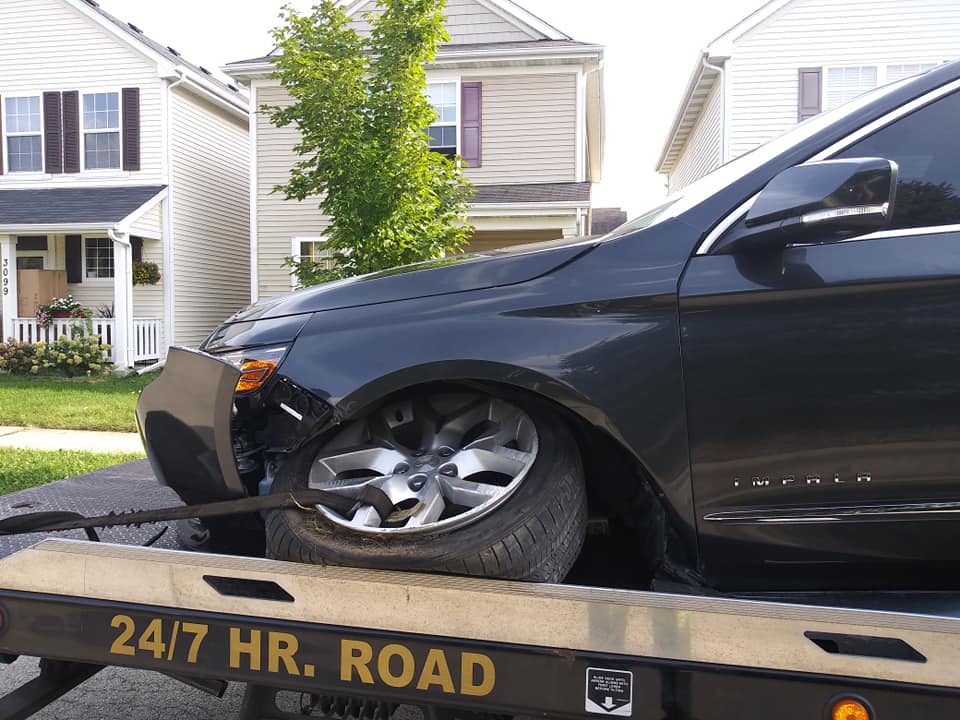
If you drive an SUV or truck, you may wonder whether a Towing Service can safely move your vehicle when it breaks down, gets stuck, or needs roadside assistance. Larger vehicles can be heavier and have different dimensions than standard cars, so proper towing equipment and techniques are important. Understanding how SUVs and trucks are towed can help you make better decisions during an unexpected roadside emergency. It can also help you avoid additional vehicle damage caused by using equipment that is not designed for heavier vehicles. From choosing the right tow truck to understanding weight limits and towing methods, several factors determine whether an SUV or truck can be transported safely. Knowing what to expect before calling for assistance can make the process faster, safer, and less stressful when your vehicle cannot be driven.
Can a Towing Service Tow an SUV?
Yes, most professional towing companies can tow SUVs. SUVs come in many different sizes, from compact crossovers to full-size models, so the towing method depends on the vehicle’s weight, dimensions, drivetrain, and condition. A professional towing provider will normally consider these factors before selecting the appropriate equipment.
Many SUVs can be transported using a flatbed tow truck. With this method, the entire vehicle is loaded onto the flatbed rather than allowing its wheels to remain on the road. This can be especially useful for SUVs with all-wheel drive, four-wheel drive, or significant mechanical problems.
Wheel-lift towing may also be appropriate for certain SUVs, depending on the manufacturer’s recommendations and the vehicle’s configuration. However, not every SUV should be towed with only two wheels lifted.
Can a Towing Service Tow a Pickup Truck?
Pickup trucks can generally be towed by professional towing companies, including many midsize and full-size models. However, their greater weight, length, height, and drivetrain configurations can affect which towing equipment should be used.
A pickup truck that has simply broken down may be transported using a flatbed or wheel-lift truck, depending on its size and condition. Flatbed towing is often useful when the truck needs to be kept completely off the pavement.
The truck’s drivetrain is also important. Four-wheel-drive and all-wheel-drive vehicles may require special consideration because towing them incorrectly can potentially damage drivetrain components. Some manufacturers have specific procedures that should be followed when transporting these vehicles.
Modifications can also affect towing requirements. Lift kits, oversized tires, aftermarket bumpers, toolboxes, and other accessories can change a truck’s overall dimensions or weight. These modifications should be mentioned when requesting roadside assistance.

Why Vehicle Weight Matters During Towing
Vehicle weight is one of the most important factors when determining whether a tow truck can safely transport an SUV or truck. Every tow truck has a specific capacity, and exceeding that capacity can create serious safety problems.
A vehicle’s listed curb weight is only part of the equation. Fuel, passengers, cargo, accessories, and aftermarket modifications can increase the actual weight of the vehicle being transported.
The towing vehicle itself must also be capable of handling the load. Professional operators consider the capacity of their equipment before attempting to load a larger vehicle. This helps reduce the risk of equipment failure or unsafe handling during transportation.
What Type of Tow Truck Is Used for SUVs and Trucks?
Different tow trucks are designed for different vehicle sizes and situations. For many SUVs and trucks, a flatbed tow truck is one of the most versatile options because it can carry the entire vehicle.
With flatbed towing, the vehicle is loaded onto a large platform and secured in place. This keeps all four wheels off the road during transportation. It can be particularly useful for vehicles with drivetrain concerns, severe damage, or non-functioning wheels.
Wheel-lift tow trucks use a specialized mechanism to raise either the front or rear wheels of a vehicle. This method can work well in certain situations, but compatibility depends on the vehicle’s drivetrain and manufacturer’s towing requirements.
Heavy-duty tow trucks are designed for vehicles that exceed the capacity of standard tow trucks. They are commonly used for heavier commercial vehicles, large trucks, buses, and other substantial loads.
Can Four-Wheel-Drive Trucks Be Towed?
Four-wheel-drive trucks can be towed, but they may require additional precautions compared with conventional two-wheel-drive vehicles. The drivetrain configuration can influence whether wheel-lift or other towing methods are appropriate.
Leaving certain four-wheel-drive vehicles with only two wheels on the ground while towing can potentially cause drivetrain problems. Because manufacturers have different requirements, the vehicle’s owner’s manual should be consulted whenever possible.
Flatbed transportation is often a practical option for four-wheel-drive trucks because all wheels are lifted from the road. This minimizes the need to rotate the vehicle’s wheels during transportation.
However, flatbed towing still requires proper loading and securing. The vehicle needs to be positioned correctly, and appropriate straps or other securing equipment should be used.
What If the SUV or Truck Is Stuck?
A stuck SUV or truck can usually be recovered, but the process is different from towing a vehicle that is already parked on a paved surface. The recovery method depends heavily on where and how the vehicle is stuck.
Mud, sand, snow, standing water, steep terrain, and uneven ground can all create additional challenges. A vehicle that is deeply buried or sitting at an unusual angle may require specialized recovery equipment.
Simply pulling harder is not always the safest solution. Excessive force can damage suspension components, bumpers, tow points, or other vehicle parts if the recovery equipment is attached incorrectly.
Professional operators first assess the situation and determine where the vehicle can safely be connected. They may use winches, recovery straps, or other specialized equipment depending on the circumstances.

Can Damaged SUVs and Trucks Be Towed?
Damaged SUVs and trucks can often be transported, but the extent and location of the damage determine how they should be handled. A vehicle with minor damage may be loaded normally, while a severely damaged vehicle may require specialized recovery techniques.
After a collision, the vehicle may have damaged tires, wheels, suspension components, steering parts, or body panels. These issues can make conventional towing more difficult.
A flatbed tow truck can be especially useful for accident-damaged vehicles because the entire vehicle can be transported without requiring all four wheels to roll freely on the road.
How to Prepare an SUV or Truck for Towing
Preparing an SUV or truck before the tow operator arrives can make the process more efficient. First, move yourself and passengers to a safe location if the vehicle is stopped in a dangerous area.
Remove important personal belongings from the vehicle whenever possible. Items inside the cabin or truck bed should be secured so they do not move during loading and transportation.
If your pickup truck contains heavy cargo, tell the towing provider about it. Depending on the vehicle and towing equipment, the cargo may need to be removed or secured before transportation.
How to Choose the Right Towing Provider in Naperville
Choosing the right towing provider is important when you need to transport a large SUV or truck. Not every towing situation is identical, and larger vehicles may require equipment with higher capacity or specialized recovery capabilities.
Start by asking whether the company regularly handles SUVs and pickup trucks. You can also provide your vehicle’s make, model, size, drivetrain, and condition so the operator can determine whether the appropriate equipment is available.
Experience matters when dealing with unusual towing situations. A knowledgeable operator should understand how vehicle weight, drivetrain configuration, damage, and road conditions affect the towing process.
When Should You Call for Professional Towing?
Knowing when to call for professional towing can help protect your vehicle and keep you safe. If an SUV or truck cannot be driven safely because of mechanical failure, accident damage, or another serious problem, continuing to drive may create additional risks.
A vehicle that has lost braking ability, developed serious steering problems, suffered significant engine failure, or sustained wheel or suspension damage should generally not be driven until it has been assessed.
Towing may also be appropriate when warning signs indicate that continuing to drive could worsen the problem. Overheating, severe fluid leaks, unusual mechanical noises, or major tire damage are examples of situations that should be taken seriously.
Conclusion
SUVs and trucks can generally be towed safely when the proper equipment and procedures are used. Vehicle weight, drivetrain, dimensions, condition, cargo, and the location of the vehicle all influence which towing method is appropriate. Flatbed trucks are often useful for larger vehicles, four-wheel-drive models, and vehicles with significant mechanical or accident damage. Stuck vehicles may require additional recovery equipment and careful planning to prevent further damage. If your SUV or truck cannot be driven safely, professional assistance is often the best option rather than attempting to move it yourself. For dependable local assistance in Naperville, Towing Recovery Rebuilding Assistance Services can help with towing and vehicle recovery needs. To request assistance or learn more about available towing support, call 630-200-2731.
https://www.buzzsprout.com/2649553/episodes/19772358
https://www.podomatic.com/podcasts/meganfisher197754podcast/episodes/2026-09-08T07_36_55-07_00
https://stream.redcircle.com/episodes/415c77fd-e147-4877-bb4c-a4a6bb902fbe/stream.mp3
