

If you have no money to get your car out of impound, don’t ignore the vehicle. Contact the impound lot and agency that ordered the tow immediately and ask about payment plans, hardship assistance, fee reductions, hearings, or other available options.
Acting quickly matters because towing, storage, and administrative charges may continue accumulating. Depending on local laws, an unclaimed vehicle can eventually be subject to a lien sale or auction.
If you’re searching for how to get a car out of impound with no money, here are practical options to explore.
Can You Get a Car Out of Impound Without Paying Everything?
Sometimes, but there is no nationwide rule. Your options depend on why the vehicle was impounded, who ordered the tow, local laws, legal holds, and whether the impound facility offers payment arrangements or hardship assistance.
Some jurisdictions also provide impound hearings that can potentially reduce charges or establish payment plans. Contact the agency responsible for your vehicle to determine what applies to your situation.
Why You Should Act Immediately
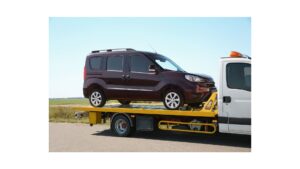
Your impound balance may increase each day because of storage charges. For example, at $40 per day, 7 days could add $280 and 30 days could add $1,200.
These are examples only; actual rates vary by location. Waiting can make the vehicle increasingly difficult to recover financially, and unpaid charges may eventually lead to a lien or sale process.
Find Out Exactly How Much You Owe
Ask the impound facility for an itemized bill showing:
- Towing and impound fees
- Daily storage
- Administrative or release fees
- Recovery charges
- Other authorized fees
Ask, “What is the exact amount I need to pay today to release my vehicle, and what charges continue accumulating?” Also confirm the daily storage rate.
Ask About a Payment Plan
Ask whether you can get the vehicle released through a payment plan instead of paying the entire balance upfront. Availability varies by jurisdiction and facility, and some programs require a down payment.
Ask about the down payment, monthly amount, storage charges, payment deadlines, and whether the agreement can release the vehicle immediately. Get any arrangement in writing.
Ask About Financial Hardship Assistance
Some agencies offer hardship programs for qualifying individuals. Eligibility may depend on income, unemployment, loss of household income, disability, or other circumstances.
There is no guarantee that a hardship waiver exists, but it’s worth asking whether you qualify for reduced fees, deferred payments, or another assistance program.
Request an Impound Hearing
If you believe your vehicle was improperly towed, ask about an impound hearing or administrative review.
You may have grounds to challenge the tow if you were legally parked, required signage was missing, the wrong vehicle was towed, the tow was unauthorized, or the charges are incorrect.
Hearing deadlines can be short, so act quickly and ask exactly how to file your request.
Ask Whether Someone Else Can Pay
If you cannot pay, a family member, friend, employer, or another authorized person may be able to help.
Before sending someone to the impound lot, ask what documentation is required. This could include identification, proof of ownership, authorization, registration, insurance, or an approved payment method.
Check Your Insurance Coverage
If the vehicle was impounded after an accident, contact your insurance company. Depending on your policy, certain towing or transportation expenses may be covered.
Ask whether your policy covers towing, storage, or impound-related expenses and whether a deductible or coverage limit applies. Insurance may not cover the entire bill, but it’s worth checking.
Contact Your Lender
If you still owe money on the vehicle, contact your lender immediately. The lender may have an interest in the vehicle and may need to know about the impound.
Ask whether they can help resolve the balance, add eligible costs to the loan, or explain what happens if the vehicle enters a sale process. Don’t assume your loan disappears if the vehicle is sold.
Find Out the Sale Deadline
Ask the impound facility:
“What is the deadline to redeem my vehicle before it enters a lien sale or auction?”
Then ask what must be done to stop the sale. Get deadlines and requirements in writing whenever possible because procedures vary by jurisdiction.
Retrieve Personal Belongings
If you cannot immediately release your vehicle, ask whether you can retrieve essential personal property.
You may need identification, proof of ownership, authorization, or an appointment. Items might include work equipment, documents, clothing, electronics, or other belongings.
Never attempt to enter or remove anything from the vehicle without permission.
Decide Whether the Car Is Worth Recovering
Consider the vehicle’s current value compared with the impound balance, storage costs, repairs, remaining loan, insurance, and its overall condition.
For example, if a car is worth $1,500 but you already owe $1,200 in impound costs and storage continues increasing, recovering it may require careful financial consideration.
Don’t abandon a vehicle without understanding the legal and financial consequences.
Can You Negotiate Impound Fees?
You can ask whether fees can be reduced, waived, or placed under a payment arrangement. However, some charges may be legally required and cannot simply be negotiated.
Ask which charges are required by law and which are set by the towing or storage company. This helps you understand where negotiation may actually be possible.
What If the Car Was Towed From Private Property?
Private-property towing can follow different rules from police impounds. If your car was removed from an apartment complex, shopping center, business lot, HOA property, or another private location, determine:
- Who authorized the tow?
- What signage was posted?
- What local rules apply?
- Which company performed the tow?
- What is the current storage rate?
- Is there a process for disputing the tow?
Keep photographs of the location and signage if available.
What If the Car Was Impounded by Police?
Police-related impounds may involve additional requirements, including registration issues, license issues, court matters, evidence holds, or mandatory impound periods.
Paying the towing company may not be enough if a government agency has placed a hold on the vehicle. Ask the impound lot whether a hold exists and which agency can remove it.
What If You Have Literally $0?
If you have absolutely no money, focus on options that may not require full payment immediately:
- Call the impound lot.
- Get the exact balance and daily storage rate.
- Ask about payment plans.
- Ask about hardship assistance.
- Ask about an impound hearing.
- Contact family, friends, or other legitimate sources of emergency assistance.
- Check your insurance coverage.
- Contact your lender if the car is financed.
- Find out the sale or auction deadline.
- Decide whether recovering the vehicle is financially worthwhile.
What Not to Do When You Can’t Afford the Impound
Don’t ignore official notices. They may contain important deadlines.
Don’t let storage fees accumulate without a plan. Every additional day can increase your balance.
Don’t assume the vehicle will eventually be returned. Depending on local law, it may eventually enter a lien sale or auction.
Don’t try to remove the vehicle yourself. Wait until it has been legally released.
Don’t assume a payment plan exists. Ask the responsible agency and verify the terms.
Don’t abandon a financed vehicle without contacting your lender. You may still have financial obligations.
Frequently Asked Questions
Can I get my car out of impound with no money?
Possibly. Depending on your location and circumstances, payment plans, hardship programs, fee reductions, or impound hearings may provide alternatives to paying the entire balance upfront.
Can someone else pay my impound fees?
Often, another person may be able to pay on your behalf, but documentation or authorization may be required. Contact the impound facility before they attempt payment.
Can I get an impound fee waiver?
Some agencies offer hardship relief or reduced fees, but there is no universal right to a waiver. Ask the responsible agency what programs are available.
Can I dispute my car being impounded?
Potentially. If you believe the tow was improper, ask about an impound hearing or administrative review. Follow the applicable filing requirements and deadlines.
What happens if I don’t pay the impound fees?
Storage charges may continue accumulating. Depending on local law, the vehicle may eventually be subject to a lien sale, auction, or other disposition process.
Can a towing company help me get my car out of impound?
A towing company generally cannot override a government hold or release requirement. Once the vehicle is legally released, however, a towing service can transport it to an approved location.
Conclusion
If you’re wondering how to get your car out of impound with no money, start by finding out exactly what you owe, how quickly the balance is increasing, and when the vehicle could enter a sale process.
Ask about payment plans, hardship assistance, fee reductions, and an impound hearing if you believe the tow was improper. You should also check with your insurance company and lender when applicable.
Most importantly, don’t wait. The longer your vehicle remains in storage, the greater the potential financial burden.
If your vehicle has been released and you need professional towing, towing near me, towing Naperville, towing service, tow trucks, tow trucks Naperville, towing service near me, or tow trucks near me, contact Towing Recovery Rebuilding Assistance Services at 630-200-2731 for towing and vehicle transportation assistance.
