
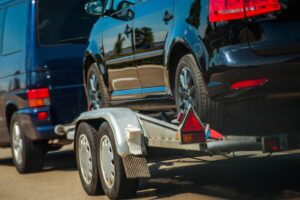
If you can’t afford to get your car out of impound, don’t ignore the situation. Storage fees can continue increasing, and the vehicle may eventually be sold through a lien sale or auction. Depending on local laws, you may have options such as payment plans, hardship assistance, disputing the tow, or getting help from family, community organizations, insurance, or your lender.
Contact the impound lot and the agency that authorized the tow as soon as possible.
What Happens When You Can’t Pay Impound Fees?
If you cannot pay the release amount, your vehicle will generally remain in the impound lot while towing, administrative, and daily storage charges accumulate.
If the vehicle remains unclaimed, it may eventually enter a lien sale or auction process after required notices and legal procedures.
The process generally involves:
- Your vehicle is towed.
- Towing and storage fees are added.
- Daily storage charges continue.
- You receive notice of the balance.
- You may be able to dispute the tow or request a hearing.
- The vehicle may eventually be sold if the balance remains unpaid.
The exact deadlines and procedures vary by state and municipality.

Why Should You Act Quickly?
Storage fees may increase every day. A vehicle that initially costs a few hundred dollars to recover can become much more expensive if it remains in storage for weeks.
Ask the impound facility for:
- The total amount currently owed
- The daily storage rate
- An itemized bill
- The deadline to recover the vehicle
- The date it could become eligible for auction
Getting this information quickly can help you make a better financial decision.
Can You Ask for a Payment Plan?
Possibly. Some impound facilities or government programs may offer payment arrangements or hardship assistance.
Ask:
“I can’t afford the full balance today. Do you offer payment arrangements or hardship options?”
If a payment plan is available, ask about the required down payment, payment schedule, continuing storage fees, and consequences of missing a payment.
Can Impound Fees Be Reduced?
Some locations may offer hardship waivers, reductions, or other assistance, but these programs are not available everywhere.
Ask the impound facility and the agency responsible for the tow whether you qualify for any fee reduction or hardship program. You can also contact your local government or consumer protection office for information about available assistance.
What If You Believe the Tow Was Wrongful?
If you believe your car was illegally or improperly impounded, ask about the process for challenging the tow or requesting an impound hearing.
Possible reasons for a dispute include:
- The vehicle was legally parked.
- Required signs were missing.
- The wrong vehicle was towed.
- The tow authorization was incorrect.
- Required notice was not provided.
- The towing company did not follow required procedures.
Keep photographs, tow notices, parking citations, receipts, registration documents, and other evidence that may support your case.
What If You Have No Money?
If you cannot pay the balance yourself, consider asking trusted family or friends for help. You can also look for local nonprofits, charities, transportation assistance programs, or emergency financial assistance.
If losing the vehicle would prevent you from getting to work, ask your employer or HR department whether emergency employee assistance is available.
If the impound resulted from an accident or another covered event, contact your insurance company and ask whether your policy covers towing, storage, or vehicle recovery.
What If Your Car Is Financed?
Contact your lender if you still owe money on the vehicle.
Ask whether the lender can help recover the vehicle, whether it can pay the impound balance, and what could happen if the vehicle is sold.
Don’t assume that abandoning the vehicle eliminates your loan. Depending on the circumstances, you could still owe money after a sale.
What Happens If the Impound Lot Sells Your Car?
If you don’t pay the required charges or claim the vehicle within the applicable legal period, the vehicle may be sold through a lien sale or auction.
Ask:
“When does my vehicle become eligible for a lien sale or auction?”
Then ask:
“What do I need to do to stop the sale?”
Act before the deadline because recovering a vehicle after it has been sold can be extremely difficult or impossible.
Is It Worth Getting the Car Out?
Compare the vehicle’s value with the total recovery cost.
For example, if your car is worth $1,500 but the impound balance has reached $2,000, recovering it may not make financial sense. However, consider your transportation needs and any outstanding loan before deciding to abandon the vehicle.
Always ask the impound facility what happens if you don’t claim the car.
Can You Sell a Car While It’s in Impound?
Sometimes, but this depends on local laws, ownership, title status, and the facility’s procedures.
If you want to sell the vehicle while it is impounded, first ask the facility and your state’s motor vehicle agency whether a sale or title transfer is allowed.
What Happens to Your Personal Belongings?
Ask the impound facility about retrieving personal belongings. You may need identification, proof of ownership, or an appointment.
Never enter the vehicle or impound property without permission. Retrieve important belongings as soon as the facility allows it, especially if the vehicle may be sold.
What Should You Do If Your Car Is Impounded?
Follow these steps:
- Locate the vehicle.
- Find out who ordered the tow.
- Request an itemized bill.
- Ask about the daily storage fee.
- Find the auction or lien-sale deadline.
- Ask about payment plans and hardship assistance.
- Determine whether you can challenge the tow.
- Contact your insurance company if applicable.
- Contact your lender if the vehicle is financed.
- Compare the recovery cost with the vehicle’s value.
- Frequently Asked Questions
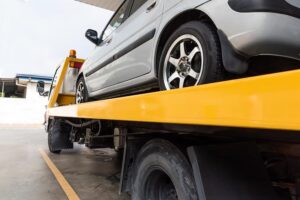
What happens if I can’t afford to get my car out of impound?
The vehicle may remain in storage while daily fees continue accumulating. If you don’t resolve the situation before the applicable deadline, it could eventually be sold. Contact the impound facility immediately to ask about payment plans and assistance.
Can an impound lot sell my car if I don’t pay?
Potentially, yes. After required notices and legal procedures, an impounded vehicle may be sold to recover eligible towing, storage, and other charges.
Can I negotiate my impound fees?
You can ask about payment plans, hardship programs, reductions, or waivers. Whether fees can actually be reduced depends on local laws and the type of charge.
What if I think my car was illegally impounded?
Ask about the impound hearing or dispute process and keep all relevant evidence. Depending on local law, you may be able to challenge the tow or seek reimbursement.
What happens if my impounded car has a loan?
Contact your lender immediately. You could potentially remain responsible for a loan balance even if the vehicle is eventually sold.
Should I leave my car at the impound lot if I can’t afford it?
Don’t make that decision without understanding the consequences. Storage fees may continue, and the vehicle could eventually be sold.
Conclusion
If you can’t afford to get your car out of impound, act quickly. Find out how much you owe, how much storage costs each day, when the vehicle could be sold, and whether payment arrangements or assistance are available.
If you believe the tow was improper, ask about your right to challenge it. If the vehicle is financed, contact your lender before abandoning it.
If your vehicle has been released and you need professional towing, towing near me, towing Naperville, towing service, tow trucks, tow trucks Naperville, towing service near me, or tow trucks near me, contact Towing Recovery Rebuilding Assistance Services at 630-200-2731.
