
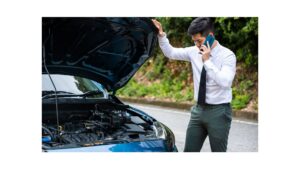
The safest way to move a dead car by yourself is to use the right towing equipment, such as a tow dolly or car trailer. The correct method depends on the vehicle’s drivetrain, weight, steering, brakes, transmission, and why it stopped working.
Before moving a dead car, check the owner’s manual for approved towing procedures. Front-wheel-drive, rear-wheel-drive, AWD, and 4WD vehicles can have very different towing requirements. Some vehicles should only be moved with all four wheels off the ground.
Can You Move a Dead Car Yourself?
Yes, but the safest method depends on the condition of the vehicle. If the engine will not start but the wheels, steering, brakes, and transmission work normally, moving it may be relatively simple.
If the wheels are locked, brakes are seized, steering does not work, or the transmission cannot shift into Neutral, DIY towing becomes more difficult.
Common options include:
- Pushing the car a short distance
- Using a tow dolly
- Using a car trailer
- Using a winch to load the vehicle
- Hiring a professional tow truck

Use a Tow Dolly
A tow dolly lifts either the front or rear wheels while the other wheels remain on the road. Whether this is safe depends on the vehicle and its drivetrain.
Some front-wheel-drive vehicles can be dolly-towed from the front, while others prohibit this method. Always follow the manufacturer’s instructions instead of assuming your vehicle is compatible.
Before using a tow dolly, check:
- Vehicle drivetrain
- Vehicle weight
- Dolly weight capacity
- Tire condition
- Transmission requirements
- Parking brake requirements
- Steering operation
- Manufacturer towing instructions
If the vehicle cannot be placed in the required gear or its wheels cannot rotate properly, use another method.
Use a Car Trailer
A car trailer can be one of the safer DIY options because all four wheels remain off the ground. This can be especially helpful for vehicles that should not be towed with only two wheels on the road.
Before renting a trailer, confirm that your tow vehicle can safely handle the combined weight.
Check:
- Maximum towing capacity
- Hitch rating
- Trailer weight
- Vehicle weight
- Gross combined weight rating
- Tongue-weight limits
- Trailer brake requirements
Having a trailer hitch does not automatically mean your vehicle can tow another car safely.
Push the Car a Short Distance
If you only need to move the vehicle a few feet, pushing may be an option if the car can roll and steer.
Before pushing:
- Put the transmission in Neutral.
- Release the parking brake.
- Make sure the steering wheel is unlocked.
- Clear the path.
- Have enough people to control the vehicle.
- Move slowly.
- Avoid slopes and public roads.
- A dead car may have reduced power-assisted braking and steering, making it harder to control. Never push a vehicle downhill or into traffic.
Use a Winch
A winch can help load a non-running vehicle onto a trailer or tow dolly. It can be useful when the battery is dead, the engine will not start, or the vehicle cannot drive up the ramps.
Use a winch and attachment equipment rated for the vehicle’s weight. Attach it only to approved recovery or towing points when specified by the manufacturer.
Do not attach a cable or strap to a weak bumper component. If the wheels are locked or the vehicle has major damage, professional towing equipment may be safer.
Get the Dead Car Into Neutral
One common problem is getting a dead car out of Park. A completely discharged battery can prevent some modern vehicles from shifting normally.
Many vehicles have a manual shift-lock release or emergency Neutral procedure, but the location and steps vary. Check the owner’s manual for your specific vehicle.
Do not force the gear selector. If the transmission cannot be placed in the required position, a flatbed or specialized towing method may be necessary.
Secure the Vehicle Properly
Once the car is on a dolly or trailer, securing it correctly is essential.
Check that:
- Tires are positioned correctly.
- Wheel straps are properly installed.
- Tie-downs are tight.
- Safety chains are connected.
- The trailer coupler is locked.
- Trailer lights work.
- The hitch is properly connected.
- Nothing can drag on the road.
Use properly rated straps, chains, and tie-down points. Never improvise with equipment that is not designed to secure a vehicle.
Can You Tow a Dead Car With a Rope?
Using an ordinary rope to tow a dead car is generally not recommended. A properly rated tow strap or towing device is a better option when the vehicle and towing method allow it.
Rope can stretch, break, or fail under the forces involved in moving a heavy vehicle. Steering and braking can also be difficult when the engine is off.
Can You Tow a Dead Automatic Car?
Sometimes, but it depends on the vehicle. Some automatic cars can be moved short distances in Neutral, while others require a dolly or flatbed.
Incorrect towing can cause expensive transmission or drivetrain damage. Never assume that putting an automatic transmission in Neutral makes it safe to tow with the drive wheels on the ground. Follow the owner’s manual.
Can You Tow an AWD or 4WD Car Yourself?
AWD and 4WD vehicles require extra caution. Some cannot safely be towed with only two wheels on the ground because of potential drivetrain damage.
Certain vehicles require specific transfer-case settings, while others require a flatbed.
If you are unsure whether your AWD or 4WD vehicle can be dolly-towed, using a trailer or professional flatbed service is generally the safer choice.
What Is the Safest DIY Method?
For many vehicles, a properly rated car trailer that keeps all four wheels off the ground is one of the safer DIY methods. It avoids many drivetrain concerns associated with towing on two wheels.
However, loading a completely dead vehicle can still be challenging. Locked steering, seized brakes, damaged tires, or an awkward parking position may require specialized equipment.
Common DIY Towing Mistakes
Avoid these mistakes when moving a dead car:
- Ignoring the owner’s manual
- Exceeding towing capacity
- Using an incorrectly rated hitch
- Using ordinary rope
- Forgetting safety chains
- Failing to secure the wheels
- Incorrectly towing AWD or 4WD vehicles
- Leaving the parking brake engaged
- Ignoring locked wheels
- Towing too quickly
- Using improper equipment on public roads
An incorrect towing method can cause damage to the transmission, drivetrain, suspension, tires, or body.

When Should You Call a Professional?
Professional towing is usually the better choice when:
- The car has major accident damage.
- The wheels are locked.
- The transmission will not shift into Neutral.
- The steering is locked.
- The vehicle is stuck in mud or a ditch.
- You do not know the vehicle’s towing requirements.
- The vehicle is unusually heavy.
- You lack a properly rated tow vehicle.
- You need to move the car on a busy roadway.
A professional tow truck can provide the appropriate equipment and reduce the risk of vehicle damage or a traffic hazard.
DIY Car-Moving Methods Compared
| Method | Best For | Main Concern |
| Push | Moving a car a few feet | Control and braking |
| Tow dolly | Compatible vehicles | Drivetrain restrictions |
| Car trailer | Wheels-off-ground towing | Weight and loading |
| Winch | Loading non-running vehicles | Proper attachment |
| Professional tow truck | Difficult situations | Service cost |
Frequently Asked Questions
How do you move a dead car without a tow truck?
For a short distance, you may be able to push it if the wheels roll and it can be placed in Neutral. For longer distances, use a compatible tow dolly or car trailer with a properly rated tow vehicle.
Can you tow a dead car with another car?
Possibly, but the towing vehicle, equipment, and disabled vehicle must be compatible. Check the owner’s manual and equipment ratings before attempting it.
Can you move a dead car in Neutral?
Often, yes, but some vehicles have specific procedures when the battery is dead. Others should not be towed with their drive wheels on the ground.
What is the easiest way to move a dead car?
A professional flatbed tow truck is often the easiest option because the vehicle can be loaded completely onto the truck.
Can you push a dead automatic car?
You may be able to push it a short distance if it can be placed in Neutral and the wheels, steering, and brakes work properly. Avoid slopes and traffic.
Is a tow dolly safe for a dead car?
It can be safe when the vehicle is approved for dolly towing and the dolly is properly rated and secured. Always follow the manufacturer’s instructions.
Conclusion
The best way to move a dead car by yourself depends on the vehicle and why it is disabled. Pushing may work for a few feet, while a properly rated tow dolly or car trailer can work for longer distances when the vehicle is compatible.
Always check the owner’s manual before towing. If the car cannot roll, steer, shift into Neutral, or be safely loaded, professional towing is usually the safer choice.
Need Help Moving a Dead Car?
If you do not have the equipment or experience to move a disabled vehicle safely, Towing Recovery Rebuilding Assistance Services can help.
Whether you’re searching for towing near me, towing Naperville, towing service, tow trucks, tow trucks Naperville, towing service near me, or tow trucks near me, professional assistance can make moving a dead vehicle easier and safer.
Call Towing Recovery Rebuilding Assistance Services at 630-200-2731 for towing assistance.
