
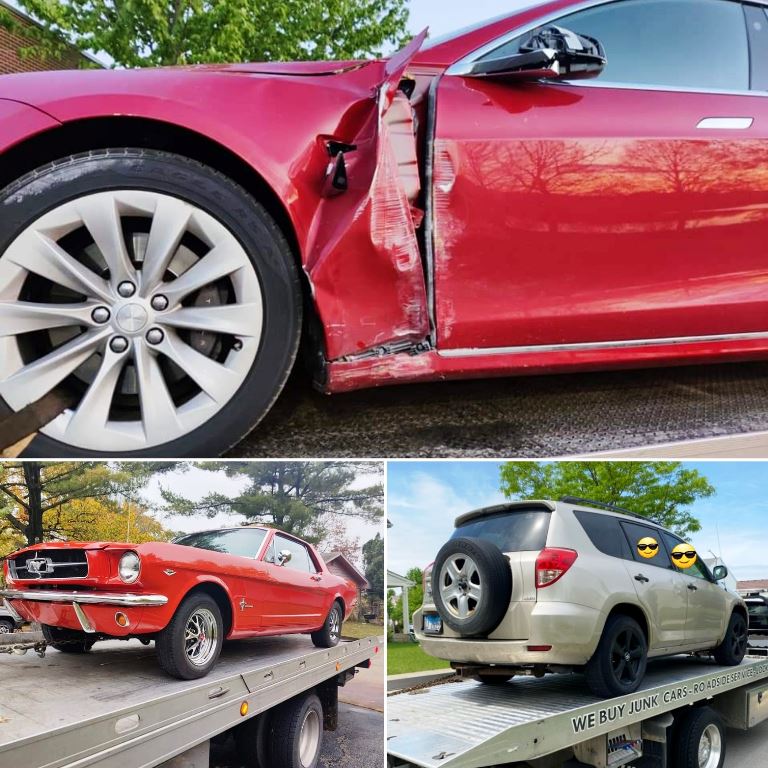
When a vehicle breaks down, gets involved in an accident, or needs to be transported to another location, a reliable Towing Service can provide the equipment and expertise needed to move it safely. Tow trucks are designed to handle many different types of vehicles, but the right towing method depends on the vehicle’s size, weight, condition, and drivetrain.
From standard cars and SUVs to motorcycles, pickup trucks, and certain commercial vehicles, professional towing equipment can accommodate a wide range of transportation needs. Understanding what a tow truck can move can help vehicle owners know what to expect when requesting roadside assistance. It can also prevent damage caused by using the wrong towing equipment or technique. Whether your vehicle is disabled, damaged, illegally parked, or simply needs transportation, knowing your options makes the process easier.
Can Tow Trucks Move Standard Cars?
Standard passenger cars are among the most common vehicles moved by tow trucks. Sedans, coupes, hatchbacks, and many compact cars can typically be transported using a wheel-lift or flatbed tow truck. The appropriate equipment depends on the vehicle’s condition and how far it needs to be transported.
A wheel-lift truck raises either the front or rear wheels off the ground while the remaining wheels stay on the road. This method can be useful for short-distance towing when the vehicle is in suitable condition. However, a flatbed is often preferred when the vehicle has significant damage, cannot roll properly, or requires additional protection.
Electric vehicles and all-wheel-drive cars may require special consideration because their drivetrains and electrical systems can be sensitive to improper towing. A professional operator can determine whether a flatbed or another method is appropriate.
Vehicle weight is another important factor. Most standard tow trucks are designed to handle ordinary passenger vehicles, but operators still need to consider the vehicle’s specifications before attempting a move. Providing accurate information about the car when requesting assistance helps the towing company send the appropriate truck and equipment.
Can SUVs and Crossovers Be Towed?
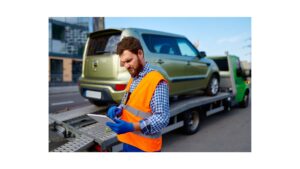
SUVs and crossover vehicles can generally be moved by professional tow trucks. However, because these vehicles are often heavier and larger than standard passenger cars, the towing equipment must be capable of safely supporting their weight.
A flatbed truck is a common option for SUVs, especially when the vehicle has mechanical problems, accident damage, or four-wheel-drive or all-wheel-drive systems. Placing the entire vehicle on the flatbed keeps all four wheels off the road and can reduce the risk of drivetrain damage during transportation.
Some smaller SUVs may also be suitable for wheel-lift towing when their condition and drivetrain allow it. The operator should inspect the vehicle and determine which method provides the safest solution.
Drivers should tell the towing company what type of SUV they have, whether it starts, and whether the wheels can move freely. Information about four-wheel drive or all-wheel drive can also be important.
In addition, heavily loaded SUVs may weigh considerably more than their standard specifications. Professional operators need to account for the vehicle’s actual condition and weight before beginning the tow. Using properly rated equipment helps prevent unnecessary strain on the tow truck and reduces the chance of damage to the disabled vehicle.
Can Pickup Trucks Be Moved by a Tow Truck?
Pickup trucks are another common type of vehicle that tow trucks can move. From compact pickups to larger models, many can be transported using appropriately rated towing equipment. However, the truck’s size, weight, configuration, and load all affect how it should be moved.
A lightly loaded pickup may be suitable for wheel-lift towing depending on its drivetrain and condition. A flatbed may be a better choice when the pickup has severe mechanical problems, accident damage, locked wheels, or four-wheel-drive capabilities.
The weight of anything inside the truck also matters. Tools, equipment, construction materials, or other heavy cargo can significantly increase the total weight. Vehicle owners should mention heavy loads when requesting assistance so the towing provider can select equipment with the appropriate capacity.
Large-duty pickups may require heavier towing equipment than a standard roadside assistance truck. Trying to move an oversized pickup with equipment that is not properly rated can create safety risks.
A professional towing operator can evaluate the vehicle and determine the safest way to secure and transport it. Proper straps, chains, wheel restraints, and loading techniques help keep the pickup stable throughout the move.
Can Tow Trucks Transport Motorcycles?
Motorcycles can be moved by tow trucks, but they require different equipment and handling procedures than four-wheel vehicles. Because motorcycles have two wheels, a standard wheel-lift towing method is generally not appropriate without specialized equipment.
Motorcycle towing may involve a flatbed truck, motorcycle trailer, or specialized towing setup. The motorcycle needs to be secured carefully to prevent it from tipping, sliding, or sustaining damage during transportation.
The condition of the motorcycle also affects the towing process. A motorcycle involved in an accident may have damaged wheels, handlebars, suspension components, or other parts that make loading more complicated. In these situations, specialized equipment and careful handling become especially important.
Owners should tell the towing provider that the vehicle is a motorcycle when requesting assistance. They can also provide information about the motorcycle’s size, condition, and location.
Professional handling is particularly important because motorcycles can be expensive and contain delicate components. Proper tie-down points and protective equipment help prevent scratches and movement while the motorcycle is being transported.
Whether a motorcycle needs to be moved after a breakdown, accident, or relocation, choosing a provider familiar with motorcycle transportation can help protect the vehicle throughout the process.
Can Tow Trucks Move Vehicles After an Accident?
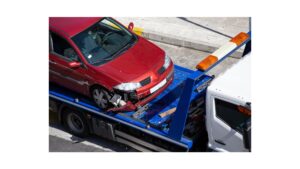
Tow trucks are commonly used to move vehicles that have been involved in collisions. Accident-damaged vehicles can present unique challenges because wheels, axles, bumpers, suspension systems, or other components may no longer function normally.
A flatbed is often a useful option for severely damaged vehicles because the entire vehicle can be lifted onto the truck. This can help prevent additional contact between damaged components and the roadway.
However, not every accident-damaged vehicle can be loaded in the same way. A vehicle may have locked wheels, leaking fluids, broken steering components, or significant body damage. Operators must assess these conditions before loading the vehicle.
In some situations, additional equipment may be necessary to move the vehicle into a position where it can be safely loaded. Professional operators are trained to consider these factors and use appropriate procedures.
Vehicle owners should avoid attempting to move a severely damaged car themselves. Improper movement can worsen existing damage or create additional safety hazards.
After an accident, the towing provider may transport the vehicle to a repair facility, storage location, insurance-approved facility, or another destination. Clear communication about the destination and vehicle condition can make the recovery process more efficient.
Can Electric and Hybrid Vehicles Be Towed?
Electric and hybrid vehicles can be transported by tow trucks, but they may require special procedures. Unlike conventional vehicles, electric vehicles contain high-voltage battery systems and may have drivetrain configurations that require careful handling.
Flatbed transportation is frequently considered for electric vehicles because it allows all four wheels to remain off the ground. This can reduce the possibility of drivetrain-related problems that could occur if the vehicle is pulled incorrectly.
The vehicle’s manufacturer towing instructions are also important. Different electric and hybrid models can have specific requirements regarding towing, wheel movement, parking systems, and recovery procedures.
A disabled electric vehicle may also have a depleted battery, meaning the operator may need to address how the vehicle can be moved out of its current position before loading it. A vehicle that cannot shift into neutral may require additional equipment.
When calling for roadside assistance, owners should identify the vehicle as electric or hybrid and provide the make and model whenever possible. This gives the towing provider an opportunity to prepare the correct equipment.
Professional operators who understand modern vehicle systems can help reduce the risk of damage during transportation. Following manufacturer guidelines is particularly important when dealing with newer electric and hybrid vehicles.
Can Tow Trucks Move Large Commercial Vehicles?
Some tow trucks are designed to handle commercial vehicles, but the capabilities vary significantly between different towing units. Large vans, delivery vehicles, work trucks, and other commercial vehicles can require heavy-duty equipment because of their increased size and weight.
A standard tow truck may not have enough capacity to safely move a large commercial vehicle. Heavy-duty recovery trucks are designed with stronger components and greater towing capacity to handle heavier vehicles.
The vehicle’s gross weight, current load, wheel configuration, and mechanical condition all affect the towing method. A fully loaded work truck can weigh substantially more than an empty vehicle, making accurate information particularly important.
Commercial vehicle operators should provide details about the vehicle and its current condition when requesting assistance. Information about cargo, damaged wheels, or unusual vehicle dimensions can help the towing provider determine what equipment is needed.
Heavy-duty towing may also require specialized recovery techniques when a commercial vehicle has overturned, become stuck, or sustained major damage.
Using appropriately rated equipment is essential for protecting both the disabled vehicle and the towing operator. When the correct truck is dispatched from the beginning, the recovery process can often be completed more efficiently and safely.
Can Tow Trucks Move Vehicles With Locked or Damaged Wheels?
A vehicle does not necessarily need to be fully operational to be moved by a tow truck. Professional towing equipment can often transport vehicles with flat tires, locked wheels, mechanical failures, or certain types of accident damage.
However, damaged or locked wheels can make towing more complicated. If the wheels cannot rotate normally, an operator may need to use dollies, skates, winches, or other recovery equipment to position the vehicle safely.
A flatbed can also be useful because the vehicle can be loaded completely onto the truck rather than being pulled with some wheels remaining on the ground. The best option depends on the type and severity of the damage.
Operators must also consider the vehicle’s steering system, suspension, brakes, and undercarriage. Attempting to drag a damaged vehicle without appropriate equipment can cause additional damage.
When requesting a tow, drivers should explain exactly what happened. For example, saying that the vehicle has a flat tire is helpful, but explaining that the wheel is completely locked provides even more useful information.
Professional assessment allows the operator to choose the right recovery tools before attempting to move the vehicle. This can make the process safer and help minimize additional damage.
What Determines Which Tow Truck Is Needed?
The type of vehicle is only one factor that determines which tow truck should be used. The vehicle’s weight, dimensions, drivetrain, condition, location, and destination can all influence the towing method.
A small passenger car may be easily handled by a standard tow truck, while a heavy-duty pickup or commercial vehicle may require a larger recovery truck. Similarly, a functioning vehicle may be easier to move than one with locked wheels or severe accident damage.
The vehicle’s drivetrain can also matter. All-wheel-drive and four-wheel-drive vehicles may have specific towing requirements, while electric vehicles can require special attention to their drivetrain and battery systems.
Location is another consideration. A vehicle stuck in a narrow parking garage, roadside ditch, soft ground, or confined space may require specialized recovery equipment rather than a simple tow.
The distance of transportation can also affect the preferred method. For longer-distance moves, keeping the entire vehicle off the roadway may be desirable.
Providing accurate information when requesting a Towing Service helps the company determine what equipment to dispatch. When operators know the vehicle type and condition ahead of time, they can arrive better prepared and reduce delays.
How Can You Prepare Your Vehicle for Towing?
Vehicle owners can make the towing process easier by providing accurate information before the tow truck arrives. Start by identifying the vehicle’s make, model, approximate size, and condition. Explain whether it starts, rolls, steers, and shifts into neutral.
If the vehicle has been involved in an accident, describe any visible damage. Mention broken wheels, flat tires, leaking fluids, damaged suspension components, or anything else that could affect loading.
Remove valuable personal belongings from the vehicle when possible. If the vehicle is accessible and safe to enter, make sure loose items are secured so they do not move around during transportation.
Drivers should also provide the exact location of the vehicle and explain any access restrictions. A vehicle inside a parking garage, behind a gate, or in a difficult-to-reach area may require different equipment.
Once the operator arrives, follow their instructions and stay in a safe location while the vehicle is being loaded. Avoid standing between the disabled vehicle and the tow truck during recovery.
Working with an experienced Towing Service can make vehicle transportation much easier. Professional operators can evaluate the situation, select suitable equipment, and use proper securing techniques to move the vehicle safely.
Conclusion
Tow trucks can move many different types of vehicles, including standard cars, SUVs, pickup trucks, motorcycles, electric vehicles, hybrids, accident-damaged vehicles, and certain commercial vehicles. However, the appropriate towing method depends on factors such as vehicle weight, drivetrain, condition, wheel damage, location, and overall size.
Providing accurate information before requesting assistance allows the towing provider to send the right equipment and prepare for potential challenges. Flatbeds, wheel lifts, dollies, winches, and heavy-duty recovery trucks each serve different purposes.
If you need dependable vehicle recovery or transportation in Naperville, Towing Recovery Rebuilding Assistance Services can help assess your situation and determine the appropriate solution. For assistance, call 630-200-2731 to discuss your towing needs and get professional support.
